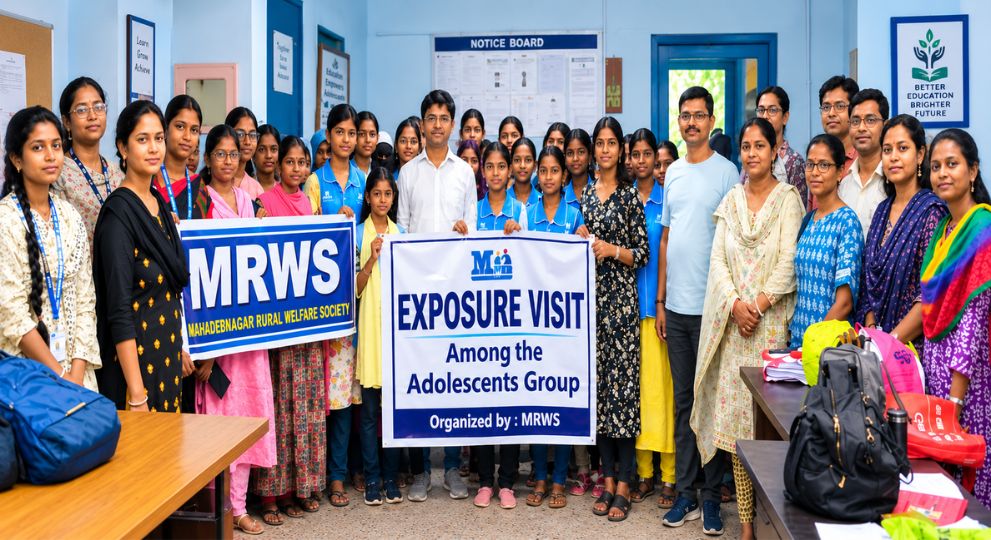
A single day in Farakka put 34 young people from different villages in the same room as their BDO, their CDPO and the local police, and gave them answers they could take home.
“A child who knows where to ask for help is already safer than one who doesn’t.”
Where Grassroots Action Meets an Institutional Bridge
The Bengal Chamber Foundation (BCF), the CSR wing of The Bengal Chamber of Commerce and Industry, exists to connect corporate CSR capital with audited, compliant, community-rooted NGOs. We think of it as building a bridge. Companies often have the budget and the intent, but can’t find partners they can trust. Small organisations often have the trust of their communities but struggle to be seen by the people who could fund them.
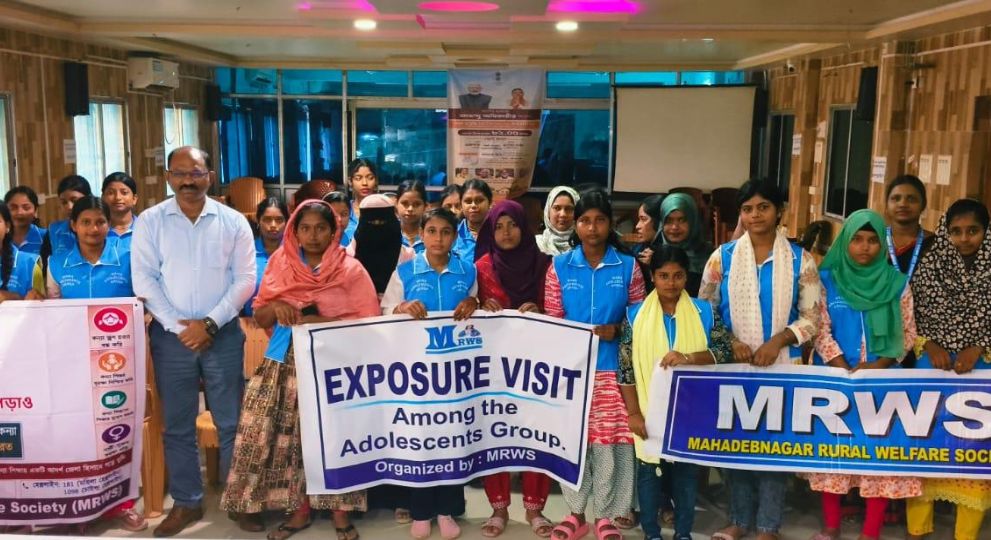
This story sits on the community side of that bridge. Mahadebnagar Rural Welfare Society (MRWS) is a grassroots organisation working with adolescents in rural Farakka. It arranged an exposure visit on 15 September 2026 in collaboration with the Block Development Office (BDO) Farakka, the Child Development Project Office (CDPO) Farakka under the ICDS Project and Farakka Police Station.
The idea was simple. Safety, schooling and child protection are often abstract concepts for adolescents to hear about. MRWS wanted them to meet the people who actually run these services, and ask their own questions, and leave knowing who to approach. Thirty-four adolescents from different villages and Gram Panchayats took part.
Learning What Education and Protection Look Like Up Close
The first conversation was with Shri Sujoy Byapari, WBCS (Exe.), BDO Farakka. He spoke on prevention of child marriage, Beti Bachao Beti Padhao (BBBP) scheme and why staying in school matters. He also founded Child Helpline 1098, and spoke about what role adolescents can themselves play, both in protecting themselves and in being there for their peers.
That last point matters. All too often, young people are treated as things that happen to people. Here they were being asked to view themselves as part of the safety net. The teenagers asked questions about education and child protection, which tells you the session was a conversation and not a lecture.
Next came Shri Hasanur Mondal, [WBCS], CDPO of the ICDS Project in Farakka. During his session, he talked about day-to-day wellbeing issues such as child nutrition and healthy eating habits, prevention of child labour and menstrual hygiene and health. He also covered the support services available to children and, once again, Child Helpline 1098.
Menstrual hygiene sitting alongside nutrition and child labour on the same agenda is worth noticing. It acknowledges that adolescent wellbeing is about so many interrelated things. And that young people deserve straight, practical information about all of them. The message the adolescents took away was a gentle but firm one: to maintain healthy habits, and when something feels wrong to seek support.
Staying Safe Online and at Home
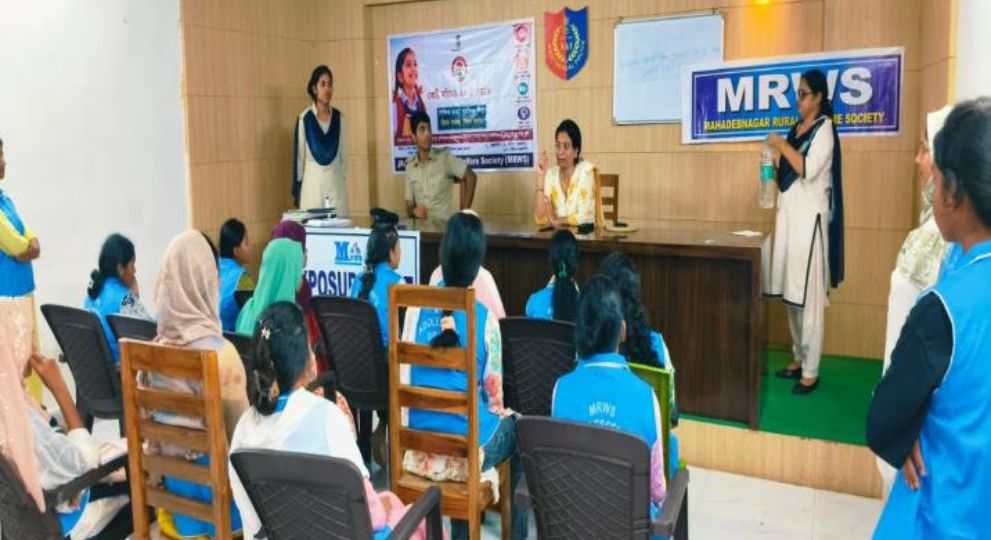
The third session was led by Nashnara Nawaj and Tanbir Islam of Farakka Police Station. For many adolescents, a police station can feel like a distant or intimidating place. Having officers come and speak with them directly, in an interactive format, is a good way of changing that.
The officers talked about cyber crime and cyber safety, the prevention of child marriage, and domestic or home-based violence and how to seek help. They encouraged the teenagers to be vigilant on digital platforms and report to the right authorities if they are subjected to or witness violence, exploitation or any other safety concern. Child Helpline 1098 featured here too.
It is no accident that all three sessions came back to the same helpline number. Repetition is a quiet but effective teaching tool. By the end of the day, the adolescents would have heard it from a BDO, a CDPO and the police, which makes it hard to forget.
What Collaborative Works Like This Achieve
According to the programme report, the sessions increased the adolescents’ awareness of their rights, responsibilities and the government services open to them, as well as the routes for seeking support. They also gained a clearer picture of what each department does across child protection, education, health, nutrition and safety.
The report describes the collaboration among the BDO, the CDPO, Farakka Police Station and MRWS volunteers as a supportive platform for adolescent empowerment. We would add that this kind of collaborative work does not need a large budget to make a real difference. It needs trust, local relationships and organisers who know their community. MRWS states that it will continue to advocate for initiatives that strengthen adolescent leadership, child protection and access to awareness of education, health and nutrition support services in rural communities.
Get in touch with the BCF team, because you’re one conversation away from being part of the next success story.
Frequently Asked Questions
What was the core objective of the exposure visit?
It gave an opportunity to adolescents to directly interact with government authorities and learn about child protection, education, nutrition, prevention of child marriage, menstrual hygiene, cyber safety, child labour, domestic violence and child helpline services.
Who took part?
Thirty-four adolescents from different villages and Gram Panchayats, along with officials from BDO Farakka, CDPO Farakka and Farakka Police Station, and MRWS volunteers.
Why does this matter for CSR programmes?
Community awareness is the foundation on which many CSR programmes in child protection, education and health are built. This is a low-cost, well-organised initiative and it shows the value that grassroots NGOs deliver and why they deserve to be visible among CSR partners."
How can an NGO like MRWS connect with corporate CSR funding?
Through platforms such as BCF, which brings compliant, community-rooted NGOs to the attention of corporate CSR teams looking for credible partners.
Good CSR Starts With Informed Communities
Corporate social responsibility in India works best when it reaches the places where trust is already being built. One day in Farakka was a glimpse of what that looks like: 34 adolescents, three public offices, one clear message about where to turn for help, and a community organization that made it all happen. BCF’s role is to make sure work like this is seen, understood and supported by the corporate partners who can help it grow.
For Corporate CSR Heads
Looking for a credible CSR partner for child protection, adolescent education or rural wellbeing, BCF can help you find audited, compliant NGOs and structure a partnership project with clear, measurable outcomes. You might fund a programme, offer your team’s time as volunteers, or both. Write to us through the Bengal Chamber Foundation website (www.bengalchamberfoundation.org) to begin the conversation.
For Grassroots NGOs
If your organisation is doing steady, honest work in your community and wants the CSR world to notice, we would like to hear from you. Join the BCF directory through www.bengalchamberfoundation.org and let your work reach the partners who are looking for it.
Follow BCF to meet the NGOs and corporates rewriting what CSR in Bengal looks like: Facebook | Instagram | LinkedIn