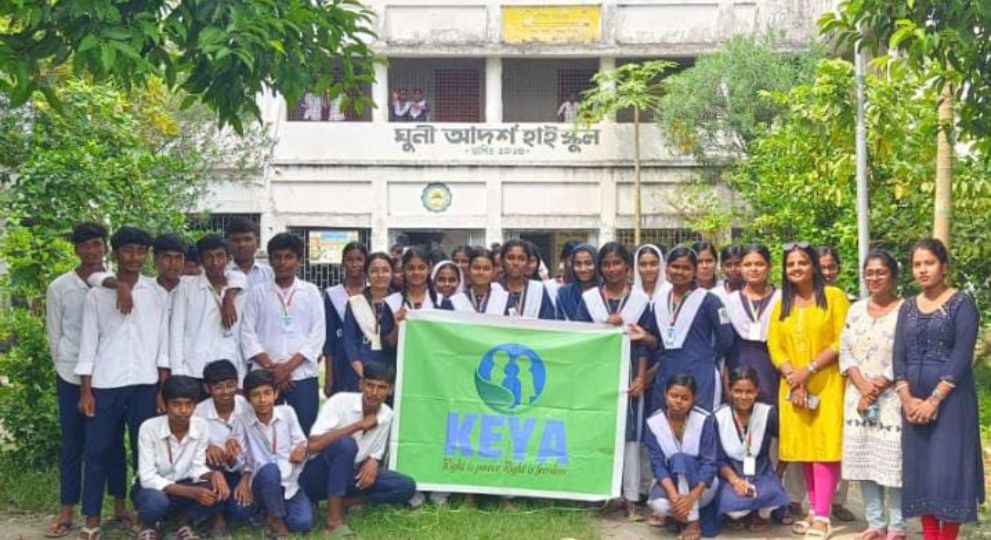
Students were asked to talk about sadness, loneliness and pressure, they did, and many felt lighter for it. This is why youth wellbeing deserves a place among serious CSR activities.
“Before a young person can ask for help, someone has to tell them that what they feel has a name, and that it is alright to say it out loud.”
An Institutional Bridge for Social Responsibility That Starts with Listening
Set up as the CSR wing of The Bengal Chamber of Commerce and Industry (BCC&I), The Bengal Chamber Foundation channels the Chamber’s social responsibility work. Our mission statement is simple: Our role is to place corporate CSR capital with audited, compliant grassroots organisations that turn it into real, measurable change.
Most discussions on corporate social responsibility in India is largely skewed toward the visible infrastructure. Yet some of the most important work happens in a classroom, in a circle of chairs, when a teen realises they are not the only one who feels the way they feel.
That is the kind of work Katakhali Empowerment and Youth Association took on. Its session was organised with a specific purpose: to promote the healthy mental development of adolescents and to foster legal awareness among students at a time when both are hugely important.”
Naming What Students Feel
The first aim of the program was mental health awareness. Moderators helped participants understand the importance of looking after mental health, how to recognise long-lasting sadness and where help is available.
What happened next was telling. Students openly acknowledged that they often feel sad or low. Yet many had never considered that these feelings could be connected to mental health at all. They had simply lived with them, assuming that this was just part of growing up.
When the floor opened, students shared what they had been carrying:
- Frequent mood swings and long stretches of loneliness
- Differences of opinion with parents, and a growing emotional distance at home
- A sense of isolation, because they could not share their thoughts, feelings or stress even with friends
- Loss of confidence in their studies and, for some in moments of extreme despair, suicidal thoughts
None of this is easy to read. But it is precisely why the session mattered. This is young people talking about daily pressures. If they keep these worries inside, they can fester and weigh them down. One conversation won’t fix it all. But it can break the silence, and that’s often where support begins.
Child Marriage, the Law and an Open Floor
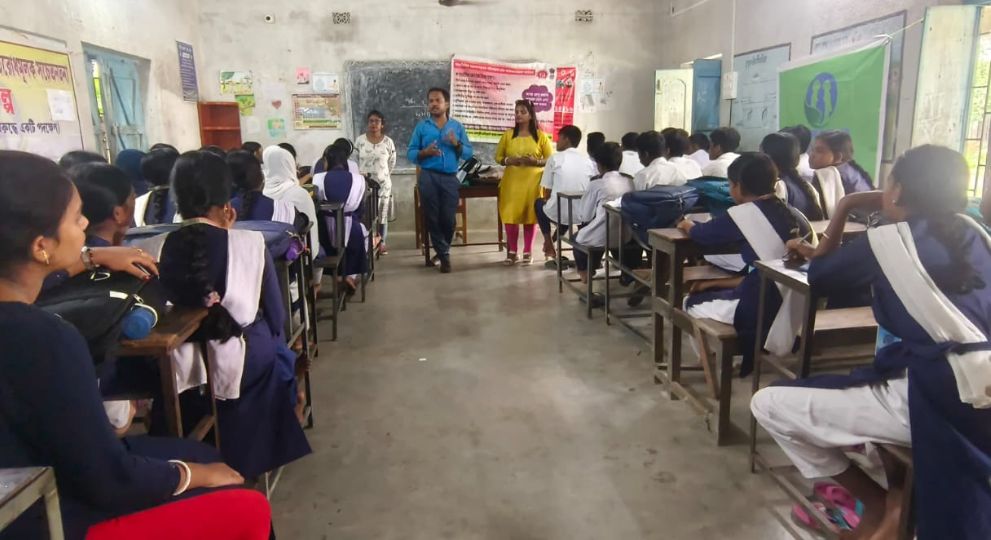
The second objective was legal awareness. The session discussed the minimum age of marriage prescribed by law for boys and girls, and the harmful consequences of child marriage. For young people, knowing their rights is a form of protection. It gives them, and the friends and families around them, a reference point when pressures arise.
The program then moved into an open question and answer session and this was where the students came alive. The students took part with genuine interest and willingness. Students were not just spectators but participants. They shared their experiences and voiced their concerns openly.
The outcome was quietly powerful. Students said they felt relieved to be able to talk about their thoughts, feelings and challenges in a safe and supportive space. This is a meaningful result for any grassroots organisation, because the young people left the room feeling heard.
What the Session Teaches Us About CSR Programmes That Last
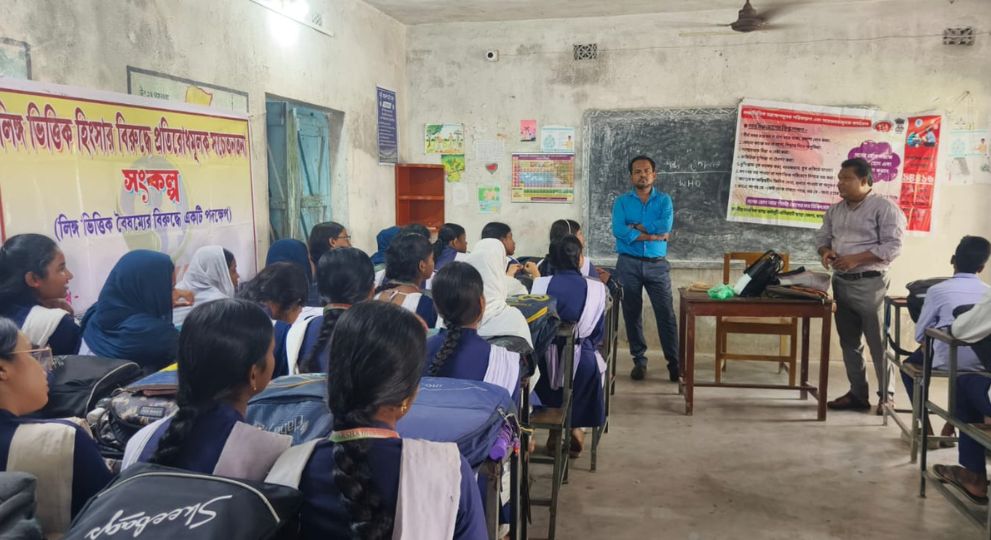
Katakhali’s own recommendation is straightforward: similar counselling and awareness sessions should be organised regularly. One session opens the door; the regular ones take the students through it. Adolescents need timely guidance, appropriate support and access to mental health resources – and they need them consistently.
This is where corporate partners can make a real difference. One-off events. Ongoing CSR programs allow grassroots teams to build credibility over time, returning to the same schools and students. It also helps with social sustainability, because a confident, informed and supported generation is better able to shape its community.
CSR in India That Listens First
Katakhali Empowerment and Youth Association have proven that meaningful CSR activities don’t always have to start off with a big budget or a new building. Sometimes they begin with a facilitator, a room full of students, and permission to speak honestly. The session raised awareness of mental health and child marriage laws, and it gave students a rare opportunity to be heard.
At BCF, we see this as exactly the kind of grassroots work that deserves visibility and support. When corporate capital and credible NGOs join forces, even one conversation can be the launchpad for lasting change.
Join the Movement
For Corporate CSR: If your CSR strategy includes youth wellbeing, education or protection, BCF can help you put capital to work through vetted, compliant NGO partners, and set up volunteering opportunities that give your teams the chance to support programs like this at first hand. Reach out to The Bengal Chamber Foundation to explore a partnership project.
For Grassroots NGOs: If your organisation is doing work on the ground, we would like to hear about it. Register on the BCF portal and Join our NGO directory to be visible to corporate partners looking for credible, community-led programmes.
Visit www.bengalchamberfoundation.org to begin.
Frequently Asked Questions
What did the Katakhali Empowerment and Youth Association session cover?
It covered mental health awareness, the legally prescribed minimum age of marriage, the consequences of child marriage, and an open Q&A with students.
Why does adolescent mental health matter for CSR projects?
Because young people often struggle quietly. Supporting awareness and counselling is a practical way for corporates to fund meaningful social impact projects.
How can an NGO partner with companies through BCF?
NGOs can register on the BCF portal and join its directory of compliant grassroots organisations.
Follow BCF to meet the NGOs and corporates rewriting what CSR in Bengal looks like: Facebook | Instagram | LinkedIn