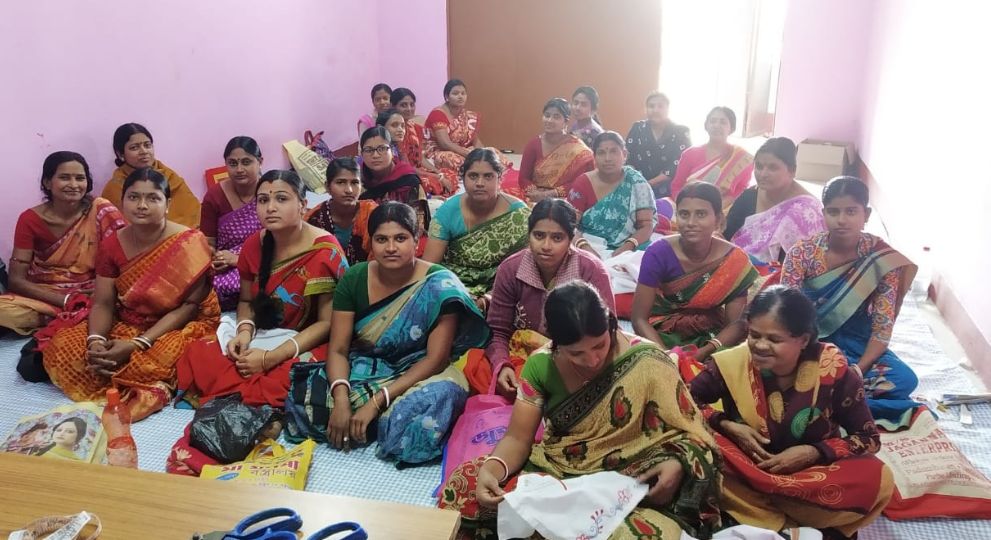
How Barnamala Educational & Cultural Society has worked across Paschim Medinipur and the Nabadwip region, and how The Bengal Chamber Foundation helps CSR partners reach organisations like it.
“A better quality of life is not handed down. It is built, one classroom, one self-help group and one health camp at a time.”
A CSR Foundation Built on Trust: Where BCF and BECS Meet
Good intentions are easy to find in corporate social responsibility. The harder part is reaching a village where a child needs a teacher or a woman needs a first source of income. That is the gap The Bengal Chamber Foundation (BCF) exists to close. BCF is the CSR arm of The Bengal Chamber of Commerce and Industry (BCC&I). With Corporate CSR funds and NGOs, the organization unites people who are passionate about reaching the ground, which acts as the link between them. These NGOs are compliant, and they turn the funds into social and environmental programmes with measurable results.
Barnamala Educational & Cultural Society (BECS) is a good example of the kind of organisation that bridge is meant to serve. Based in Kharagpur Sub-Division, West Bengal, BECS was established on 13 March 2005. It is effective in Paschim Medinipur District and in many areas socially and economically impoverished, including the Nabadwip region.
Its purpose is straightforward: to assist people in need in attaining and maintaining a better quality of life.
Social Responsibility Initiatives That Start with Children and Women
Every lasting change in a village tends to begin in two places, the school and the household. BECS works in both.
Education for rural children is the first of its key programmes. In many rural communities, the distance between a child and a classroom is about more than geography. It is also about access, confidence and support at home. By placing education at the centre of its work, BECS invests in the next generation of the communities it serves.
Alongside this runs Women Towards Self Employment, a programme built around the formation of Self Help Groups (SHGs). The SHG model provides women a platform to organise collectively, build skills and start earning for themselves. Economic independence alters the way a household makes decisions, and it often alters what a family expects for its daughters, too. For anyone looking at social sustainability in rural Bengal, this link between women’s livelihoods and community resilience is worth noticing.
These two programmes form the foundation of the Society’s work. Education prepares children for tomorrow, while the women’s programme backs the women who hold their families together today.
Skills, Health and Care: CSR Activities That Reach the Whole Community
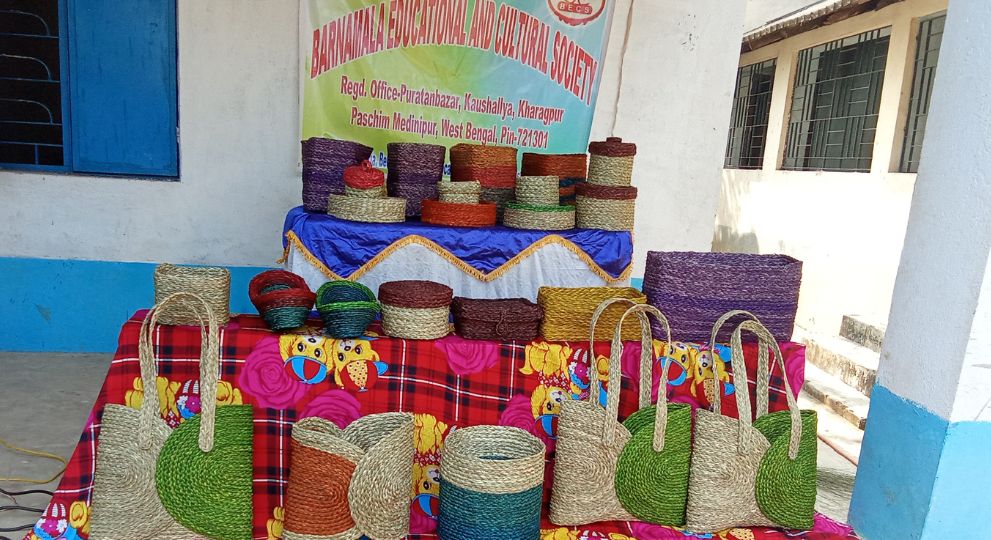
A community does not live on education and livelihoods alone. BECS’s work goes further, into four more areas that each respond to an everyday need in the community.
The job-oriented training covers IT, agriculture and vermi-composting, which means making compost with the help of earthworms. The mix is practical. The training works in two directions: IT skills reach out to the global world, and agriculture and vermi-composting expand on existing advantages of local families. It shows that rural skill development most effective when the skills taught are ones the local economy can put to use.
Health and awareness camps bring knowledge along with fundamental access closer to people who otherwise might have to travel far for either.. Awareness is as important as treatment; a community that knows its health status is better equipped to maintain it
Environment and animal welfare work includes plantation drives and Goshala (cowshed) initiative.Together they show that BECS sees wellbeing of citizens, land and animal life as interlinked.
Social support completes the picture. It has legal help, distribution of clothes, rationing of supplies, and an old-age home initiative. These services meet immediate needs, and also ensure that elders and their families who are in need have an extensive range of care offered to them.
Collectively, these CSR activities suggest an organisation that has always been in close contact with its community and responding to need as it arises and not staying true to a single narrow brief for many years.
Why NGO Projects Like BECS Matter for CSR in India
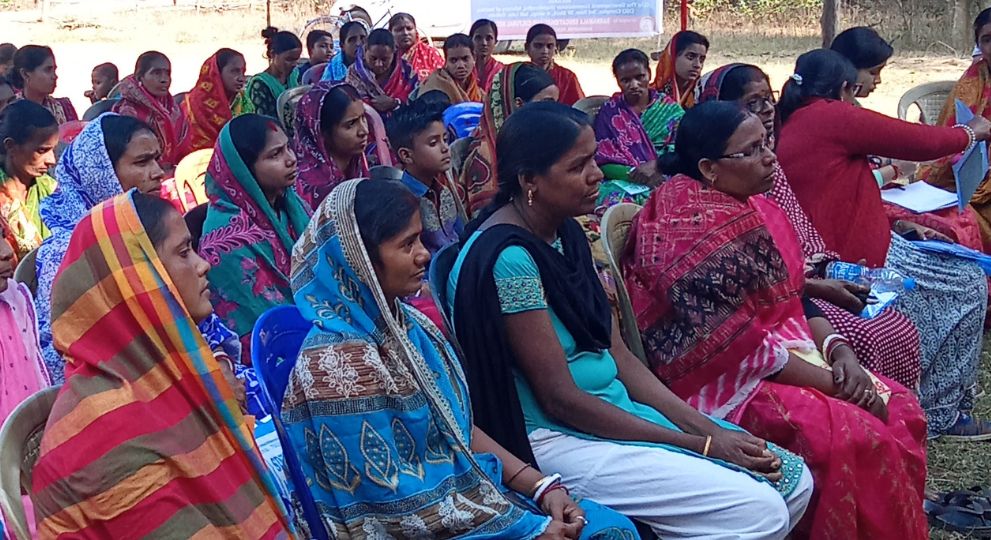
Since 2005, BECS has worked across education, women’s livelihoods, skills, health, the environment and social support. That's the kind of unified, community-centric approach that makes CSR in India effective, not just visible. This establishes a formal, verifiable point of reference for stakeholders, and is the kind of credibility BCF looks for in linking funding to work on the ground.
Corporate partners benefit from an established grassroots organisation because it shortens the path from CSR promise to delivery. For BECS, a trusted institutional platform means its work can be seen by the people best placed to support it. That two-way trust is the heart of what a CSR foundation can offer.
Take the Next Step with The Bengal Chamber Foundation
For Corporate CSR : If your CSR strategy is looking for credible grassroots delivery in education, women’s livelihoods, skill development or health, BCF can help you explore organisations such as BECS. Capital can be put to use in focused programs or you can get involved directly by volunteering. Reach out to The Bengal Chamber Foundation to explore a partnership project.
For Grassroots NGOs: If your organisation is doing steady, community-rooted work and wants to be seen by corporate partners, join the BCF directory. It is the route to CSR registration for NGOs on a platform built on trust and compliance. Join our NGO directory to be visible to corporate partners looking for credible, community-led programmes.
Frequently Asked Questions
What does Barnamala Educational & Cultural Society do?
BECS is a not-for-profit in Kharagpur Sub-Division, West Bengal. Its programmes cover education for rural children, women’s self-employment through SHGs, job-oriented training, health and awareness camps, environment and animal welfare work, and social support.
Where does BECS work?
BECS works in Paschim Medinipur District and in many areas socially and economically impoverished, including the Nabadwip region.
How can companies support NGO projects like these through BCF?
Corporate CSR teams can approach The Bengal Chamber Foundation to learn about partner NGOs and explore ways to fund programmes or volunteer. BCF acts as the bridge between CSR capital and grassroots organisations.
How can an NGO become a CSR partner of BCF?
Grassroots NGOs can join the BCF directory through www.bengalchamberfoundation.org to be considered by corporate partners.
About The Bengal Chamber Foundation
Behind every strong CSR programme is a partnership built on trust. The Bengal Chamber Foundation (BCF), the CSR arm of The Bengal Chamber of Commerce and Industry (BCC&I), works to build exactly that. It connects corporate CSR capital with audited, compliant grassroots NGOs, helping turn funding into measurable social and environmental impact. Through stories like this one, BCF brings the work of partner organisations to the attention of those who can support it. Learn more at www.bengalchamberfoundation.org.
Follow BCF to meet the NGOs and corporates rewriting what CSR in Bengal looks like: Facebook | Instagram | LinkedIn