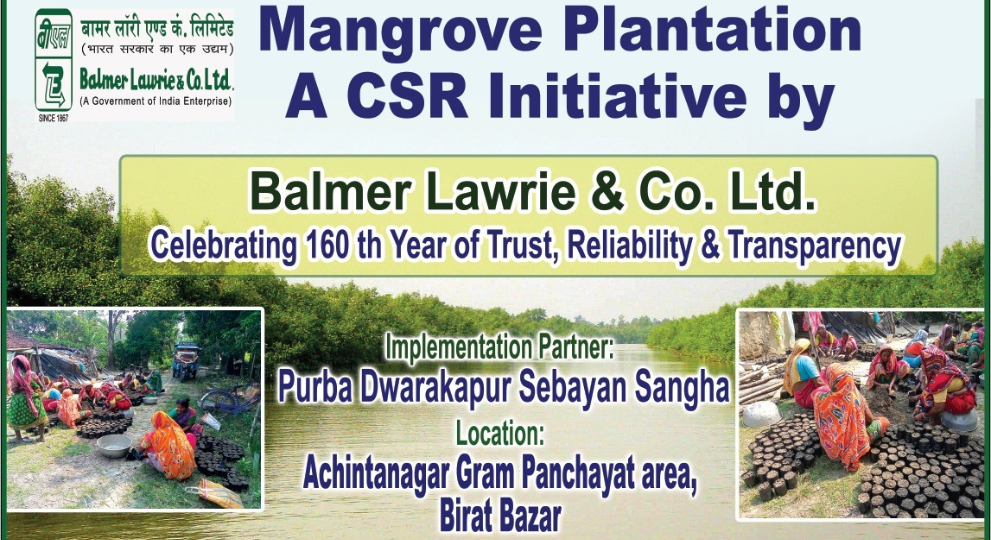
Operating in the challenging terrain of the South Sundarban Islands since 1998, Purba Dwarakapur Sebayan Sangha is an organisation dedicated to environmental conservation and community upliftment. Their latest initiative focuses on a critical aspect of climate change mitigation India desperately needs: restoring the mangrove cover along the riverine fringe zones to stop soil erosion and foster local development.
Guided by Veteran Leadership
The driving force behind this monumental effort is the organisation's Founder and Honorary CEO, Prof
(Dr) Himansu Sekhar Rauth. Under his expert guidance, the NGO has consistently demonstrated the operational excellence and deep-rooted community trust required to manage large-scale environmental interventions in one of the most unforgiving topographies on earth.
Key Impacts of the Sundarbans Mangrove Plantation Project
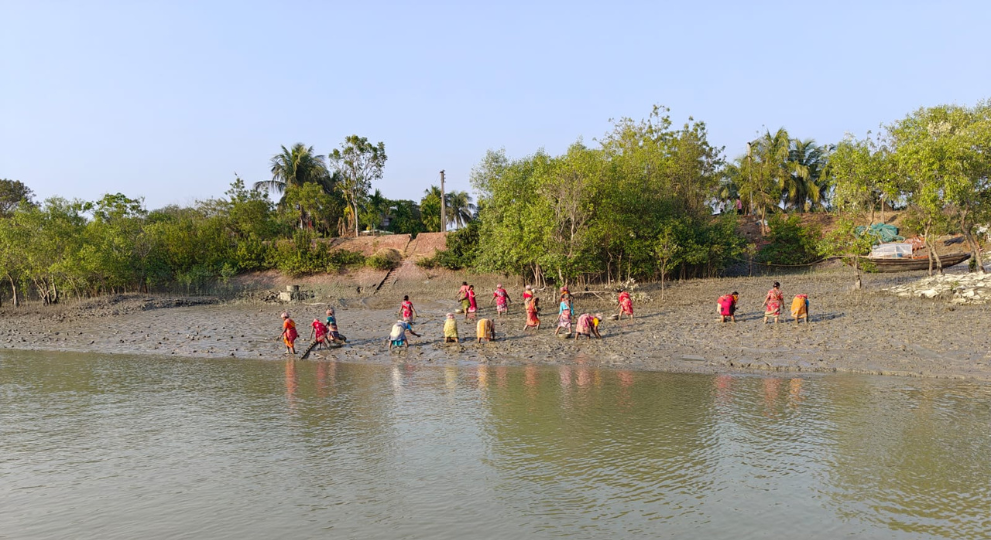
The organisation has undertaken a comprehensive plantation drive spanning 10 kilometres along the Thakuran riverway towards Hati Sur. This initiative delivers tangible ecological and socio-economic benefits:
- Environmental Restoration:
The project covers 24 acres (8 hectares) and involves the strategic planting of 12,000 mangrove saplings. To counter natural mortality rates, the organisation proactively planted 20% extra saplings beyond their initial 10,000 target, ensuring significant carbon footprint reduction.
- Strategic Geography:
The plantation site holds significant geopolitical and ecological importance. It spans a 10-kilometre stretch along the Thakuran riverway—a crucial India-Bangladesh riverway. This specific zone was officially allotted to the organisation by the local Achintanagar Panchayat, highlighting strong local governance support.
- Navigating Severe Logistical Hazards:
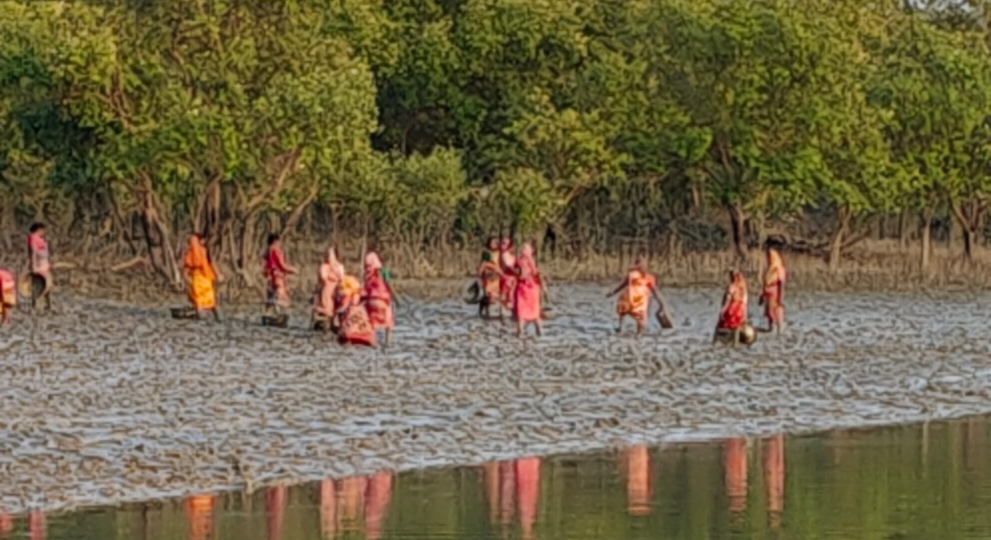
Executing this project involves navigating extreme physical hurdles. During the rapid initial execution phase (21 March 2026 to 31 March 2026), the sheer physical demand was immense, with each sapling pot weighing between 2 and 2.5 kg. Furthermore, scheduling around local harvest times posed a significant challenge in sourcing labour. To mitigate these inherent risks, comprehensive project insurance was secured for the 30 to 40-day implementation period, covering the workforce, boats, and the unpredictable gully land terrain.
- Measurable Climate Action:
As a highly effective carbon sink, these 12,000 mangroves are projected to absorb 8,076 kg of carbon dioxide annually while pumping 5,880 kg of oxygen back into the atmosphere.
- NGO Livelihoods West Bengal:
Mangrove cultivation is a highly labour-intensive process. The NGO has established a nursery with a capacity of 50,000 saplings, managed entirely by the local tribal women’s community. This provides a steady livelihood, integrating local expertise into planning, logistics, and execution in the difficult gully lands.
- Long-Term Monitoring:
The organisation has implemented a robust two-year maintenance programme. Utilising dedicated local teams alongside modern technology—including drone surveys and photographic imagery—they continuously calibrate the forest cover and track carbon emission reduction parameters.
Corporate Social Responsibility and Global Climate Goals
This vital environmental initiative is supported by a grant from Balmer Lawrie & Co. Ltd. The central public sector enterprise funded this project with the strategic objective of generating and buying carbon credits, directly aligning with the net-zero compulsions established during the COP Paris Session.
Beyond the ecological and social significance, this execution model is remarkably cost-effective. The NGO manages to clean the atmosphere at a bare minimum cost of just Rs. 40 per plant. This financial efficiency ensures that the corporate CSR grant delivers maximum value for money, facilitating highly resilient climate development without inflating operational overheads.
Partnering with such NGOs provides a streamlined pathway to fulfilling corporate social responsibility on the one hand and maintaining the environmental sustainability mandates on the other hand. For companies that need to offset their emissions, funding an NGO like Sebayan Sangha is a highly transparent and effective way to secure CSR carbon credits.
BCF: The Bridge Between Groundwork and Corporate Strategy
Purba Dwarakapur Sebayan Sangha is officially registered under the Bengal Chamber Foundation (BCF). BCF serves as an essential bridge, connecting resourceful corporate entities with grassroots NGOs that possess the local expertise to execute complex projects successfully.
Fortunately, there are many more such dedicated NGOs actively doing the essential groundwork across the country. Corporates seeking to make a measurable environmental impact can reach out to BCF to find and partner with the right organisations tailored to their specific sustainability needs.