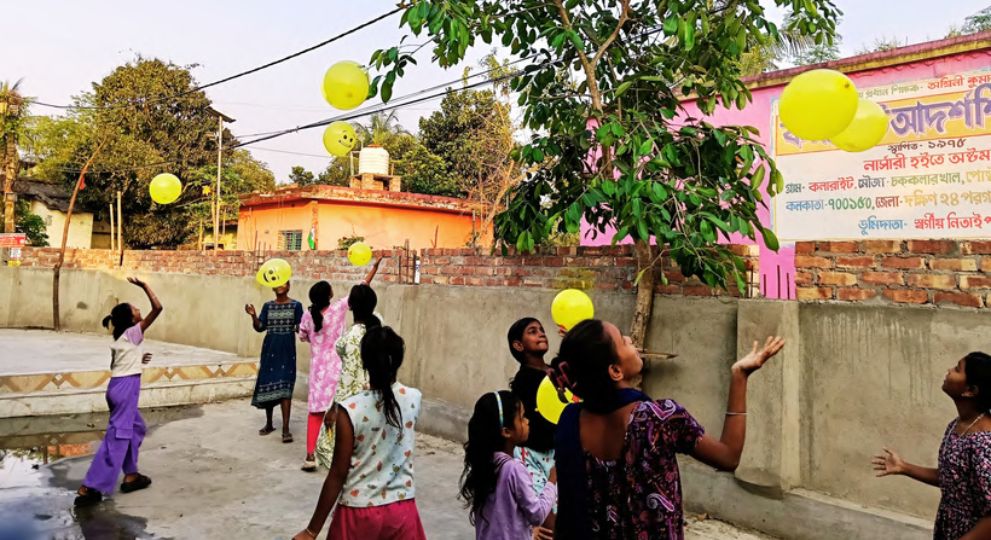
One quarter, 700+ community members, and a group of adolescents who decided that the silence around their bodies had gone on long enough.
“Ask a teenager why nobody talks about growing up, then hand them the microphone.”
Why Adolescent Health Deserves a Place in CSR in India
Just think about the last time you saw boys and girls sitting together, openly discussing puberty, periods, gender and their rights, with no giggling and no one walking out of the room. It doesn’t happen often. The Rangeen Khidki Foundation (RKF) works on that gap.
At Bengal Chamber Foundation (BCF), the CSR arm of The Bengal Chamber of Commerce and Industry, we connect corporate CSR capital with grassroots organisations that are compliant, accountable and good at what they do. Part of that is simply showing companies what solid work looks like up close. RKF’s newsletter for July to September 2026, Soochna – The Quarter Unwrapped, gives us a good look.
Their focus is making Sexual and Reproductive Health and Rights (SRHR) knowledge something young people can actually use. It should change the way they view themselves, the way they relate to each other and the type of community they create.
RangTarang 2026, Where the Teenagers Were in Charge
On 26 September, more than 700 people from rural and peri-urban communities came together for RangTarang 2026. The fair was the culmination of months of hard work with 150+ adolescent boys, girls and young people and the ideas they had were what visitors saw on the day.
That’s the part we found most striking. At RKF, adolescents don’t sit in the audience. Peer leaders planned and ran the stalls, games, posters, artwork, performances and competitions themselves. Visitors could learn about puberty and anatomy, the prevention of early marriage, contraception, and sex and gender. The peer leaders talked about gender justice, questioned taboos, and held their own with community members, government representatives and civil society stakeholders, all through Comprehensive Sexuality Education (CSE) that felt relevant to local life.
The fair also gave credit where it was due, recognising peer leaders for their stalls, posters, slogans and reels. It was a fair, certainly, but it also showed what happens when young people are trusted to lead conversations about their own bodies, relationships, health and rights.
The Quiet Work Behind the Fair
A day like RangTarang doesn’t happen by accident. It rests on a quarter of steady, unglamorous programme work.
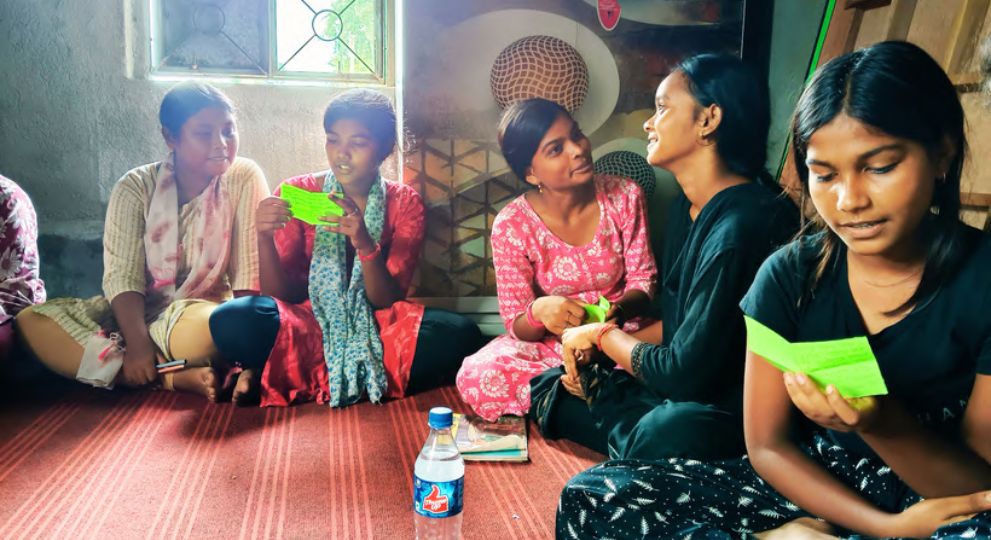
In My Body My Rights, RKF held 40 CSE sessions across 7 rural and peri-urban locations and welcomed 8 new adolescents and 7 new peer leaders. Young people talked about how gender is constructed, gender-based violence, relationships and wellbeing. Meanwhile, 14 mothers’ meetings brought in 214 women to discuss gender norms and how to back their daughters’ aspirations.
Project Tamanna took CSE into 4 government-aided schools through 8 sessions, reaching 159 students and engaging 95 peer leaders. The conversations covered SRHR, consent, LGBTQ+ identities, gender and the changes of adolescence. One new school joined, and peer leader sessions drew 64 new and 31 returning leaders, boys among them, who explored gender and masculinity.
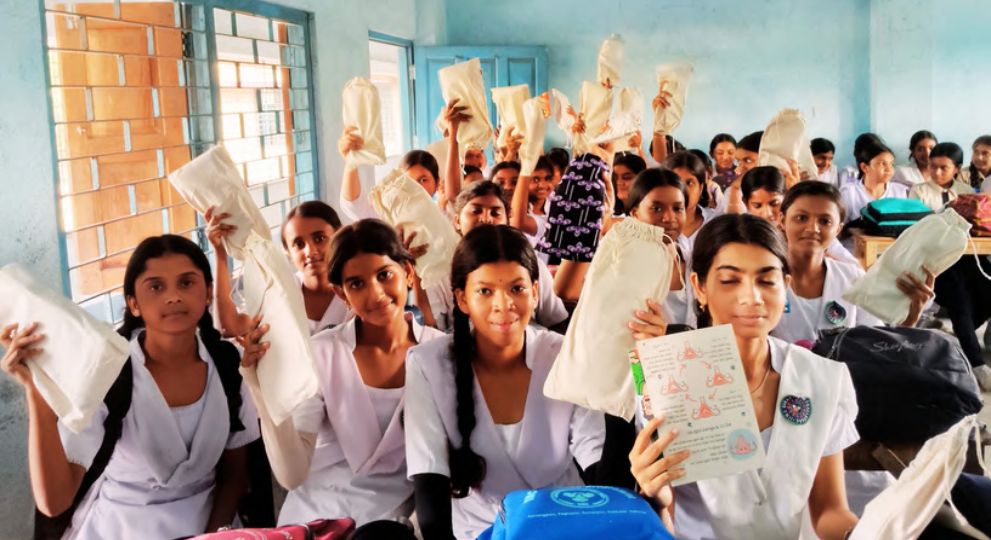
Project Disha reached 273 adolescent girls across 2 schools and engaged 48 adolescents in 2 rural communities, with 5 peer leader sessions involving 16 peer leaders. Menstrual health, digital safety, consent, gender norms and diverse identities were all on the table, and 4 mothers’ meetings made room for the stigma around periods. On Menstrual Health and Hygiene Day, 44 adolescents led community celebrations that drew 40+ women and community members. In one community, a boy’s dance performance gently challenged the idea that menstrual health is only a “girls’ issue.”
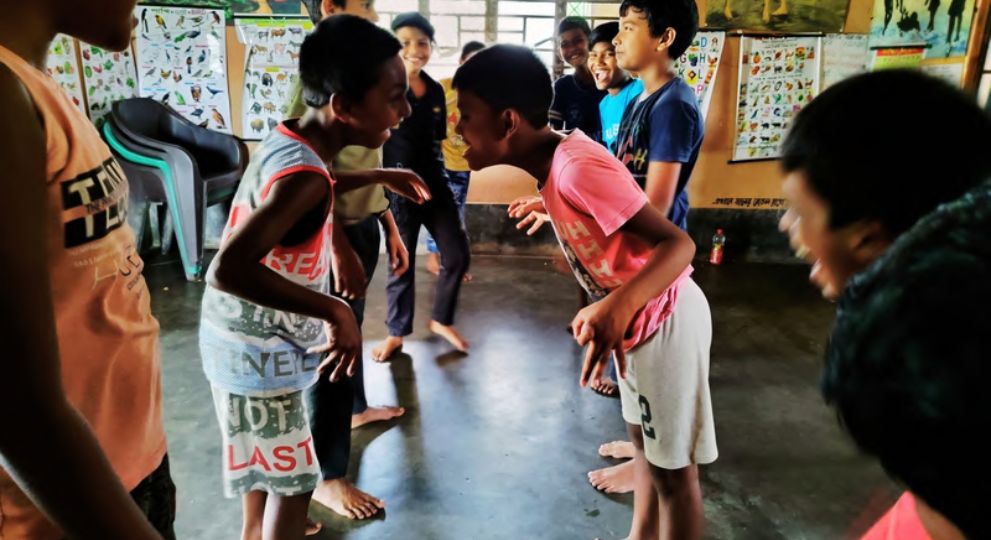
Gender Leadership and Masculinity worked with 66 adolescent boys across 4 rural communities through 46 CSE sessions and 130+ home visits. Over the quarter the boys began to question stereotypes and share their own experiences. A new group formed alongside 3 existing ones, 25 new peer leaders stepped up, and adapted materials helped a boy with hearing and speech impairment take part.
In Their Own Words
Some of the best evidence came straight from the young people. A 15-year-old peer leader in Khudirabad put it simply: looking after our health is everyone’s responsibility, not only women’s. A 16-year-old girl in Challapara said the thing she liked most was learning that saying yes or no is her right. A 15-year-old boy from the Dream Boys Group wanted to know why conversations about sex and gender are kept from young people at all. A peer leader at Sukantanagar High School said that from now on, if he’s in pain, he will cry.
The team did some learning of its own, too. Staff joined a workshop on the Prevention of Sexual Harassment (POSH) Act led by Nandini Mazumder of the Asia Safe Abortion Partnership (ASAP). They also took part, with peer leaders, in a four-day Ultimate Frisbee training run by Y-Ultimate, working on teamwork, accountability and conflict resolution. The idea is to use sport to challenge gender norms and make CSE sessions more participatory.
Finding a CSR Partner Who Shows Up
RKF’s quarter reminds us that real change is slow and personal. It comes one session, one home visit and one honest conversation at a time. For CSR in India to deliver lasting value, companies need a CSR partner who has earned community trust and can show their results clearly. RKF says it will be back with the next edition of Soochna in January 2027, and we’ll be reading.
If you lead CSR at a company: Explore BCF’s network of vetted NGOs by registering the organization as Corporate. Whether you want to commit capital to a long-term programme or get your teams volunteering, we’ll help you find grassroots work that is measurable and accountable.
If you run a grassroots NGO: The work deserves a wider audience. Join the Bengal Chamber Foundation directory, share your credentials and impact, and meet corporates looking for partners they can trust.
FAQs
What CSR activities does Rangeen Khidki Foundation carry out?
RKF runs Comprehensive Sexuality Education sessions, peer leadership programmes, mothers’ meetings and community events on gender, SRHR and adolescent empowerment.
Why does peer leadership matter in CSR programmes?
Peer leaders carry what they learn back to friends, families and neighbours, so the reach goes well beyond a single session.
How can companies approach CSR impact assessment for projects like this?
Clear, countable figures, such as sessions held, students reached and peer leaders engaged, give corporate teams a sensible starting point.
About BCF:
The BCF Portal (www.bengalchamberfoundation.org), developed by The Bengal Chamber of Commerce and Industry (BCC&I)—one of India's oldest chambers—serves as a trusted intermediary connecting verified West Bengal NGOs with corporate CSR mandates. We publish NGO success stories because funding gaps are often information gaps, sitting at the intersection of corporate philanthropy and grassroots impact every day.