Established in 2002, Sutanutir Sakhya is a woman-led, community-based organisation that has spent over two decades institutionalising the rights and welfare of vulnerable women and girls in West Bengal. Based near Madhyamgram, the organisation operates a diversified development model encompassing health, vocational training, human rights, and social justice.
The organisation's mandate focuses on the holistic empowerment of survivors of domestic violence, adolescent girls, and marginalised groups, including domestic workers and the elderly. By bridging the gap between theoretical education and practical exposure, Sutanutir Sakhya facilitates a pathway for social and financial independence.
Historical Exposure: The Indian Museum Educational Tour of April 2026
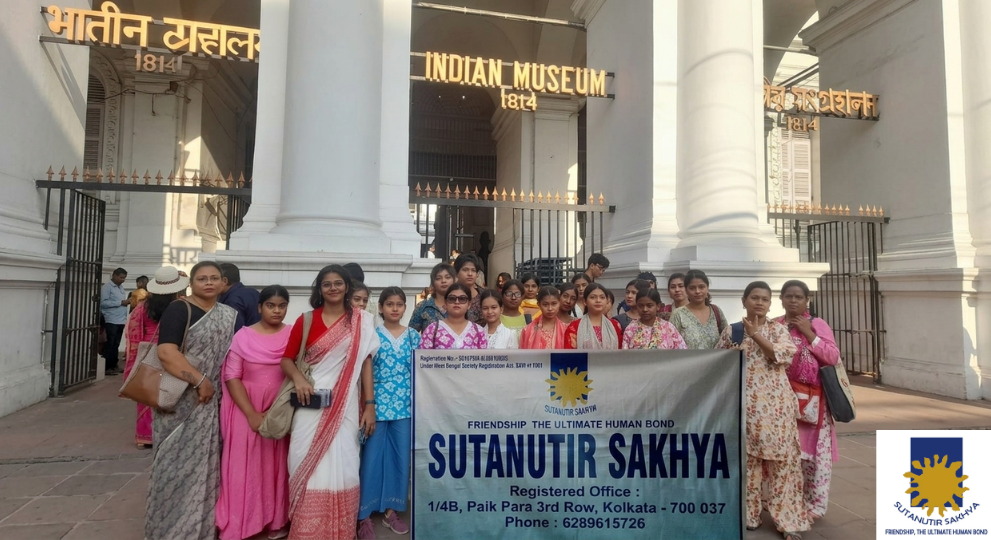
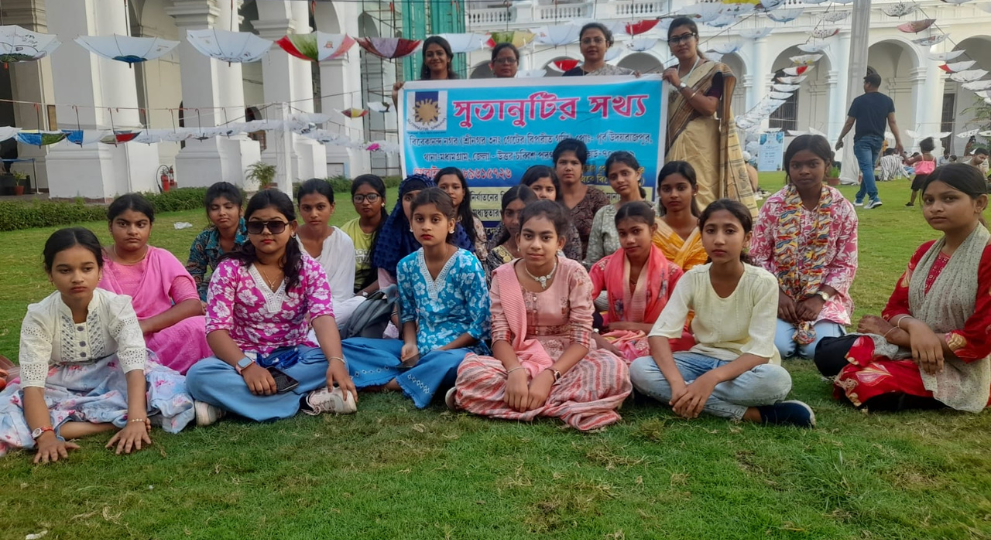
On April 11, 2026, Sutanutir Sakhya organised an educational visit to the Indian Museum in Kolkata for a group of 19 school students. This initiative was specifically designed for adolescent girls aged 12 to 19 years, residing in the Humaipur, Abdalpur, Deganga, and Sreenagar areas of the Madhyamgram region.
For many of these students, the visit represented their first opportunity to engage with India’s historical and cultural heritage outside of a traditional classroom setting. Key highlights of the initiative included:
- Moving beyond the textbook curriculum to provide a visual and tangible understanding of history.
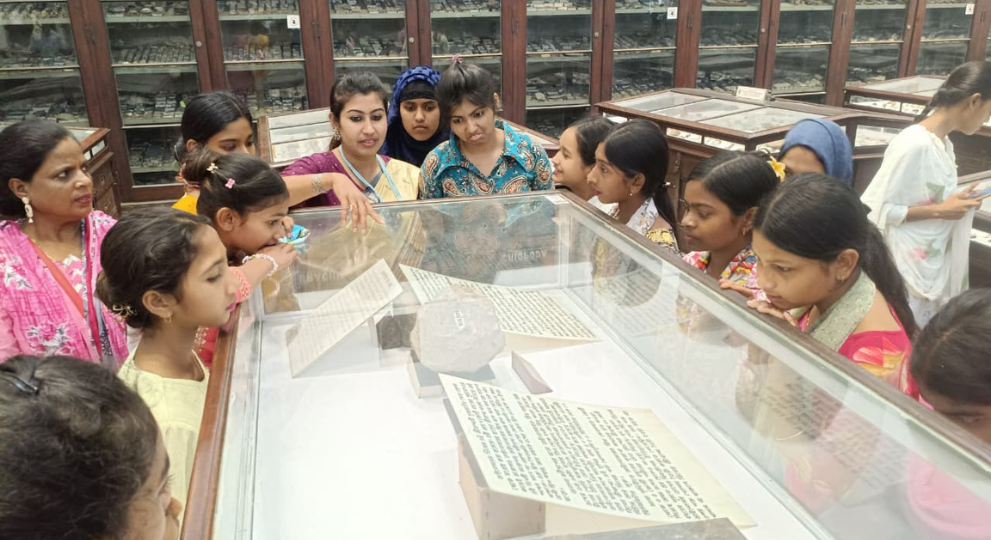
- The tour served as a significant psychological boost for the participants, reflected in their active involvement and inquiry-driven engagement with the exhibits.
- The cooperation of the museum authorities was instrumental in creating an empathetic and inclusive learning environment for the students.
Sustainable Livelihoods and Skill Development
Beyond educational excursions, Sutanutir Sakhya maintains a strong focus on vocational training and economic self-reliance. A primary example is the organisation's work with Pata Chitra artists in Pingla.
The intervention focuses on:
- Enhancing the traditional skills of local artists to meet contemporary market demands.
- Connecting grassroots artisans with broader commercial platforms.
- Providing the necessary training for women to manage their earnings and achieve financial stability.
The organisation also remains active in critical health sectors, including nutrition programs and HIV/AIDS awareness, ensuring that the communities it serves are resilient and well-informed.
Strategic Affiliation: The Bengal Chamber Foundation
Sutanutir Sakhya is a registered NGO under the Bengal Chamber Foundation (BCF), the social arm of The Bengal Chamber of Commerce and Industry (BCC&I). The 24-year journey of Sutanutir Sakhya has demonstrated the power of women-led leadership in driving meaningful community change. By focusing on the intersection of education, history, and vocational skills, it continues to break barriers for vulnerable women and girls—nurturing confidence, independence, and long-term self-reliance.
Through the BCF platform, the Chamber identifies and supports grassroots initiatives that demonstrate strong accountability and measurable impact. Acting as a strategic think tank for CSR initiatives, BCF ensures that social investments are directed toward organisations with proven on-ground effectiveness. It also serves as a catalyst—amplifying the work of organisations like Sutanutir Sakhya and connecting them with industry stakeholders to build a more inclusive and resilient economic ecosystem in West Bengal.
Sutanutir Sakhya’s ability to integrate community-led interventions with structured educational and vocational programs positions it as a key contributor to the developmental landscape of North 24 Parganas and beyond. Through such initiatives, BCF continues to highlight evolving CSR narratives and the impactful work of its partner organisations.
General Questions You Should Know
1. What are the primary objectives of woman-led NGOs in West Bengal?
Answer: Woman-led NGOs in West Bengal, such as Sutanutir Sakhya, primarily focus on intersectional empowerment. Their objectives include providing legal aid for survivors of domestic violence, facilitating financial literacy through vocational training (like Pata Chitra design), and ensuring reproductive health awareness. These organisations prioritise "community-based" solutions, meaning they hire and train local women to lead interventions in their own neighbourhoods, ensuring high trust and cultural relevance.
2. How does the Bengal Chamber Foundation (BCF) verify the impact of its registered NGOs?
Answer: The Bengal Chamber Foundation (BCF) acts as a bridge between corporate CSR and grassroots execution. BCF verifies NGO impact through a structured governance framework that includes regular field reports, financial audits (especially for FCRA-registered entities like Sutanutir Sakhya), and alignment with Sustainable Development Goals (SDGs). This verification ensures that corporate partners can invest in social projects with high transparency and measurable outcomes in rural West Bengal.
3. What are the key health initiatives provided by community NGOs in North 24 Parganas?
Answer: NGOs in the North 24 Parganas region typically focus on a "Preventive Health Model." This includes targeted nutrition programs for adolescent girls to combat anaemia, HIV/AIDS awareness workshops to reduce social stigma, and mental health support for women in marginalised communities. These initiatives are often integrated with vocational training to ensure a holistic approach to the "well-being" of the target demographic.