Rural empowerment is often discussed in policy rooms, but its real impact is shaped on the ground—within communities that choose action over intent. In the heart of Nandigram, Mahammadpur Milan Ekadash stands as a compelling example of how grassroots leadership can drive sustained socio-economic change.
What began in 1996 as a student-led response to local poverty has today evolved into a structured, non-political development organisation with over two decades of measurable impact across Purba Medinipur.
Guided by the belief that education is the most powerful driver of social mobility, the organisation’s flagship initiative, Milan Academy School, continues to provide a strong academic foundation for children from marginalised communities.
2026 Case Study: Strengthening Food Security and Community Welfare
In the first quarter of 2026, the organisation undertook two significant humanitarian initiatives aimed at supporting rural households during key cultural periods—demonstrating both operational efficiency and a deep understanding of community needs.
1. Ramadan Distribution Drive (February 21, 2026)
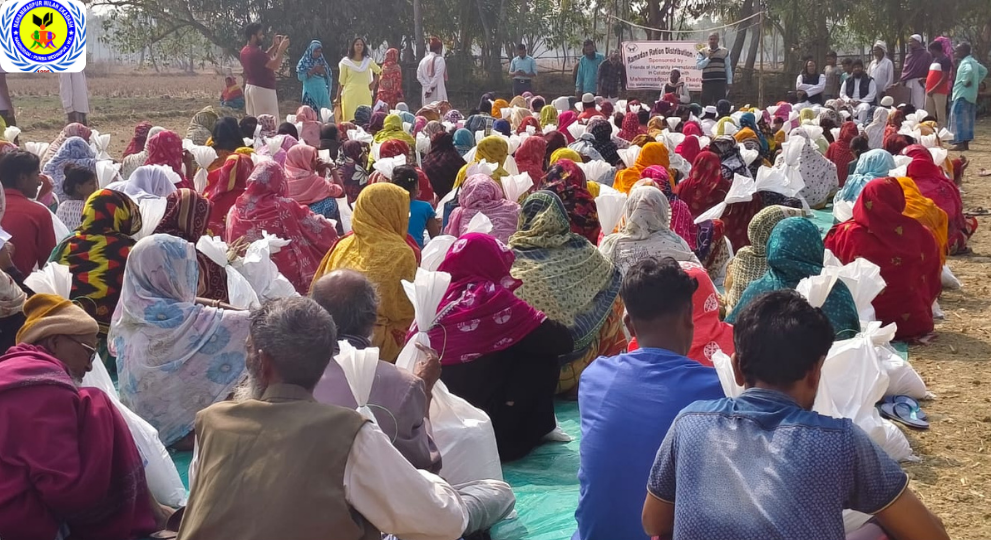
To support nutritional needs during the holy month of Ramadan, the organisation conducted a distribution drive for 270 underprivileged families. Held at the Mahammadpur Milan Ekadash premises in Nandigram, the event focused on providing high-quality essential commodities, including:
- Nutritional Staples: Rice, lentils, potatoes, and onions.
- Essential Supplies: Cooking oil, salt, and sugar.
Traditional Sustenance: Premium dates to facilitate the breaking of the fast.
2. Eid-ul-Fitr Welfare Initiative (March 17, 2026)
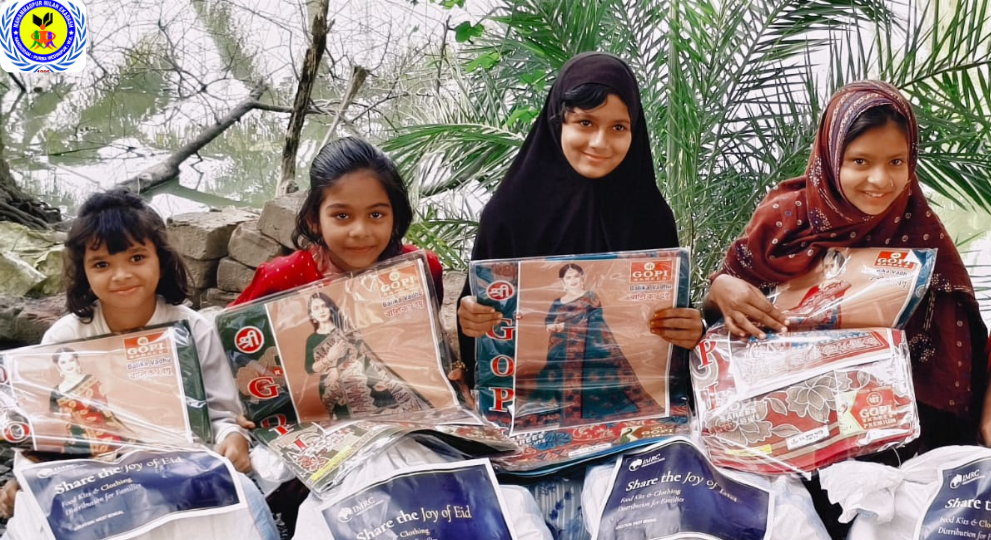
Building on the momentum of the Ramadan drive, a subsequent distribution was organised for 300 families to mark the occasion of Eid. This session expanded the scope of support to include both festive nourishment and traditional attire.
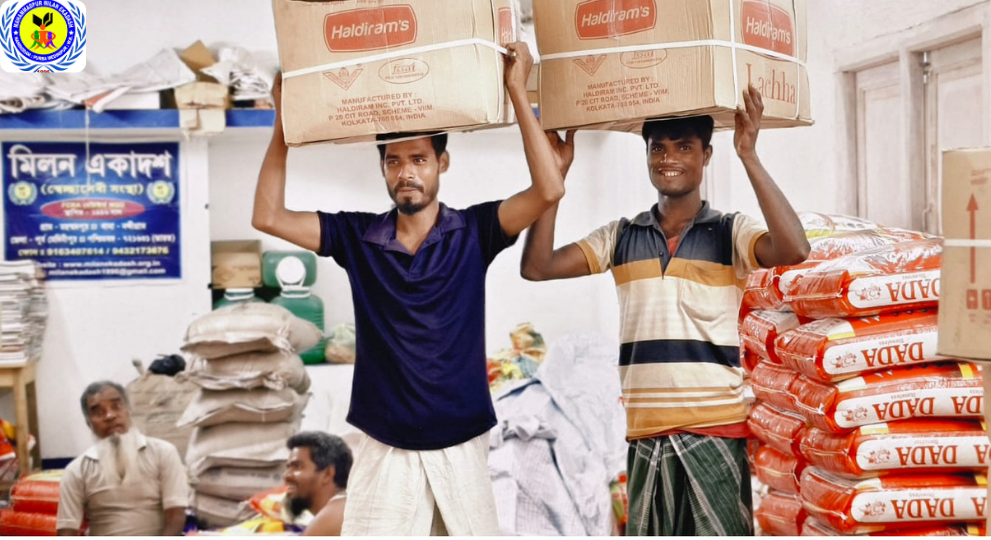
- Festive Kit: Laccha (vermicelli), milk, sugar, rice, lentils, cooking oil, salt, potatoes, onions, and essential grains.
Clothing Distribution: Sarees were provided to women from vulnerable households, ensuring that the spirit of the festival was accompanied by a sense of dignity and inclusion.
A Holistic Development Model
While seasonal relief plays a critical role, the organisation’s long-term impact is driven by a structured development approach built around three key pillars:
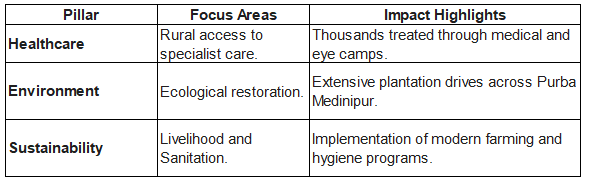
As an FCRA-registered entity, the organisation adheres to high standards of financial transparency and governance, making it a reliable partner for large-scale social interventions.
Building a Resilient Future with the Bengal Chamber Foundation
Mahammadpur Milan Ekadash is a registered NGO under the Bengal Chamber Foundation (BCF), the CSR portal of The Bengal Chamber of Commerce and Industry (BCC&I). Its 27-year journey highlights the power of local leadership in addressing complex social challenges. With a continued focus on education, healthcare, and humanitarian support, the organisation contributes to building a more self-reliant and equitable society. Through this association, BCF brings visibility to high-impact grassroots initiatives that demonstrate both operational credibility and scalable potential.
The journey of Mahammadpur Milan Ekadash reinforces a key insight—sustainable rural development is not the result of isolated efforts but of consistent, community-led action. With institutional support from the Bengal Chamber Foundation, such models gain the structure and visibility needed to expand their reach. In doing so, they not only strengthen local communities but also offer replicable frameworks for rural empowerment across West Bengal and beyond.
At its core, this is a story of how meaningful change begins—locally, collectively, and with purpose.